Taylor Swift Deepfakes Raise Pressure to Tackle Sexual AI Abuse
The spread of fake sexual images of Taylor Swift on X has reignited debate over legal gaps surrounding nonconsensual deepfakes. The case has prompted the White House and US Congress to call for action.
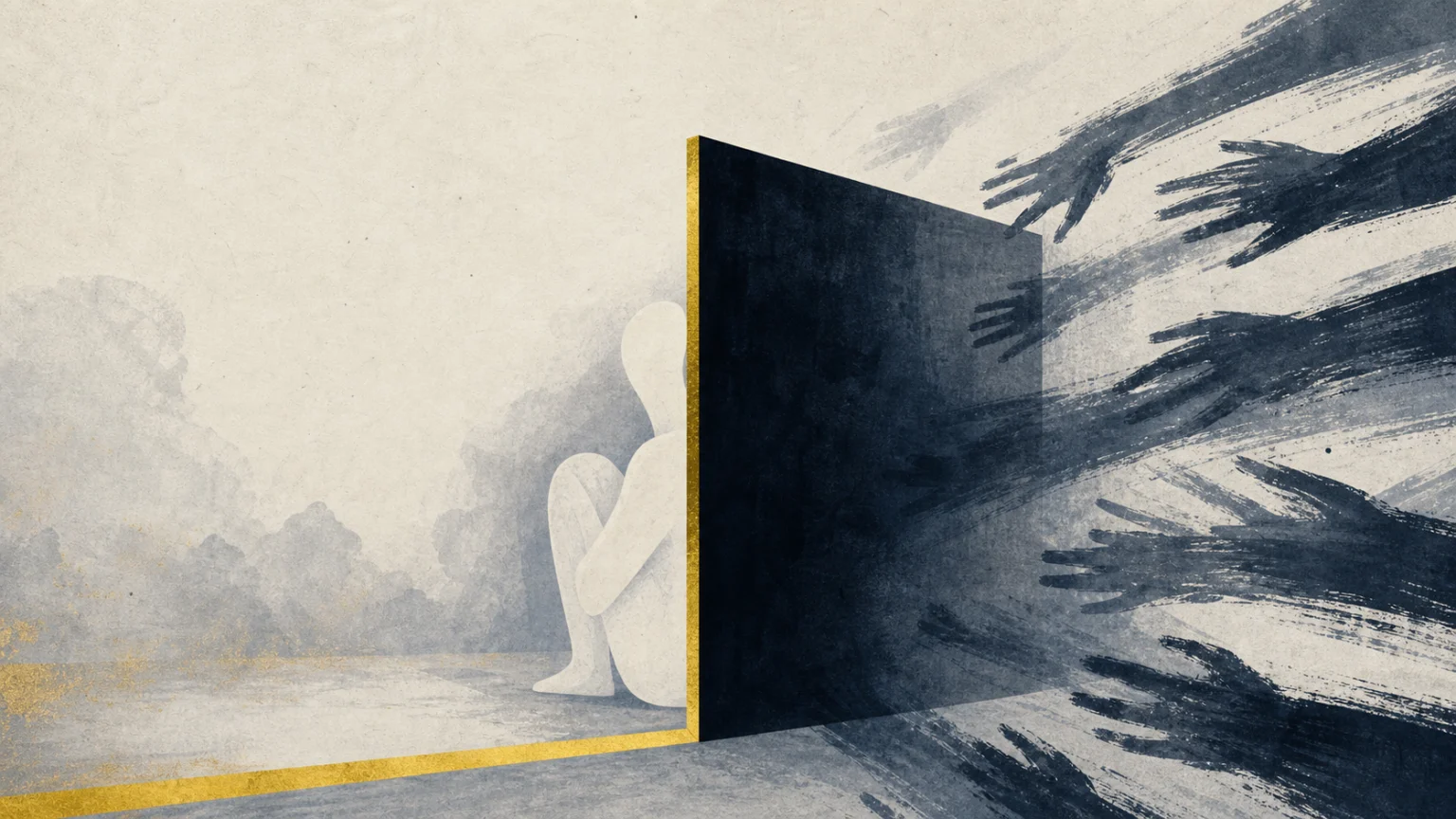
On January 25, 2024, the circulation on X of fake sexual images depicting Taylor Swift made visible an abuse already affecting famous and private people. X’s non-consensual nudity policy prohibits posting intimate material produced or distributed without permission and expressly includes digital face superimposition; having a rule does not prove it will be enforced quickly.
These were not real photographs, but deepfakes: synthetic images, videos or audio that imitate a person using AI tools. The ability to produce convincing fakes has spread rapidly with image generators available online. The Swift case shows that the harm depends not only on the technical quality of a fake, but also on how quickly a platform can amplify it.
A belated response to mass distribution
The images’ viral spread on X exposed a familiar challenge in content moderation: removing one post is not enough when other users have downloaded, reposted or altered it. The company said it has a zero-tolerance policy for nonconsensual intimate material and was actively removing the images it identified.
Blocking searches was an exceptional measure. It can limit immediate access to the material, but it also illustrates the narrow room platforms have to maneuver: they must curb circulation without turning the identity of an affected person into a prohibited search term or blocking legitimate discussion of the case.
The singer is not the only victim of this kind of forgery. Artists, journalists, students and ordinary people have endured nonconsensual intimate manipulation for years. The difference is that generative tools lower the cost and expertise needed to create fake images, while social networks allow them to reach a mass audience within minutes.
US federal law remains incomplete
The White House called the images alarming and again urged Congress to pass specific legislation. The administration of Joe Biden has backed rules that would protect people from fake intimate images and require platforms to act more responsibly.
The United States has state laws against the nonconsensual sharing of intimate images, but protection is uneven. Some states have explicitly included sexual deepfakes; others have not. There is still no broad federal law establishing a uniform mechanism for victims to seek content removal and hold perpetrators accountable.
On Tuesday, Senators Dick Durbin, Lindsey Graham, Amy Klobuchar and Josh Hawley introduced the DEFIANCE Act, a proposal that would allow victims of nonconsensual digital sexual forgeries to sue those who create or distribute them in civil court. The bill would not by itself solve the problems of identifying anonymous perpetrators or stopping files from circulating internationally, but it seeks to close a specific gap: ensuring that AI-generated manipulation does not fall into a void between privacy, defamation and nonconsensual pornography laws.
The problem is not just technological
Image-model developers can set filters to block sexual requests involving real people or celebrities. Those safeguards, however, are not foolproof: they can fail, be bypassed through indirect prompts or be absent from less-controlled tools. An image can also be altered with conventional software after it has been generated.
That is why the regulatory debate involves several groups. Model makers are being asked to prevent foreseeable harmful uses; platforms are expected to detect and remove content quickly; and authorities must provide clear avenues for redress. Responsibility cannot fall solely on people who discover that their faces have been used without permission.
The episode comes as governments and companies debate how to label synthetic content without curbing legitimate uses of AI, from design to advertising. Visible labels, provenance markers and detection systems can help identify a fake, but they do not replace moderation or legal protection. A label can indicate that an image is artificial; it does not stop people from copying it or repair the harm once it has spread.
The immediate test for X and other networks will be showing that their rules can be enforced as quickly as these images circulate. For lawmakers, the case has made it harder to postpone a federal response to a form of abuse that AI has already made more accessible.
Harm does not require fooling everyone
A fake intimate image can cause harm even when viewers know it is synthetic. It turns a person’s identity into sexual material, copies easily and forces the target to chase successive versions. The right questions are therefore not only “does it look real?” but who was depicted, whether they consented, where it travelled and which routes exist to remove copies and preserve evidence.
Automated detection helps prioritise work but cannot determine consent. A classifier may recognise manipulation without knowing whether material was authorised, and cropping, screenshots or compression may defeat it. Platforms need technical signals, accessible reporting, human review and rules that cover re-uploads rather than only the original file.
How to audit a platform response
Record the first report, acknowledgement, removal, re-uploads and search response. Check whether anyone can report the material or whether the burden falls on the depicted person. A broad policy with a hidden form may protect less than a narrower rule with fast response and follow-up.
Temporarily blocking a search can reduce discovery, but it is blunt: it does not erase downloaded files and may suppress legitimate discussion. Assess it alongside hash-based removal, repeat-offender controls and appeals. Effectiveness is measured by reduced exposure and recurrence, not by announcing “zero tolerance”.
Read law through remedies
The official DEFIANCE Act record distinguishes a proposal from enacted law and shows who could sue, for which conduct and with which exceptions. No statute removes the difficulty of identifying authors or deleting foreign copies; it can nevertheless create a civil remedy and allocate responsibility.
The transferable skill is to respond through a chain of preservation, reporting, removal, monitoring and remedy. It applies to a celebrity and to any private person. Focusing on consent and remedies prevents the debate from collapsing into whether the fake was technically perfect.
Evidence preservation must avoid redistribution. Record URL, identifier, time, account and, when a complaint requires it, a restricted-access copy; do not publish a screenshot that reproduces the abuse. Newsrooms can describe mechanism and response without turning harmful material into an illustration.
Generators can also document filters, output provenance and channels for reporting non-consensual likeness. Test those controls with safe scenarios and publish limitations. Blocking famous names while ignoring private people would be a policy of notoriety rather than consent.
A school or employer should prepare the protocol before an incident: contact, minimum preservation, support for the affected person and limits on internal sharing. Improvising after the file circulates multiplies copies. Institutional prevention does not depend on guessing the generator; it responds to conduct and harm.
The principle does not change as technique improves: an intimate depiction requires consent and a rapid response when it is absent. Visual realism is a separate question.
This article was produced with artificial intelligence under human editorial oversight.