Netflix says generative AI now touches about 300 titles
Netflix said on July 16 that generative-AI workflows have been used in roughly 300 titles in 2026, mainly in post-production. That does not mean 300 works were made by AI.
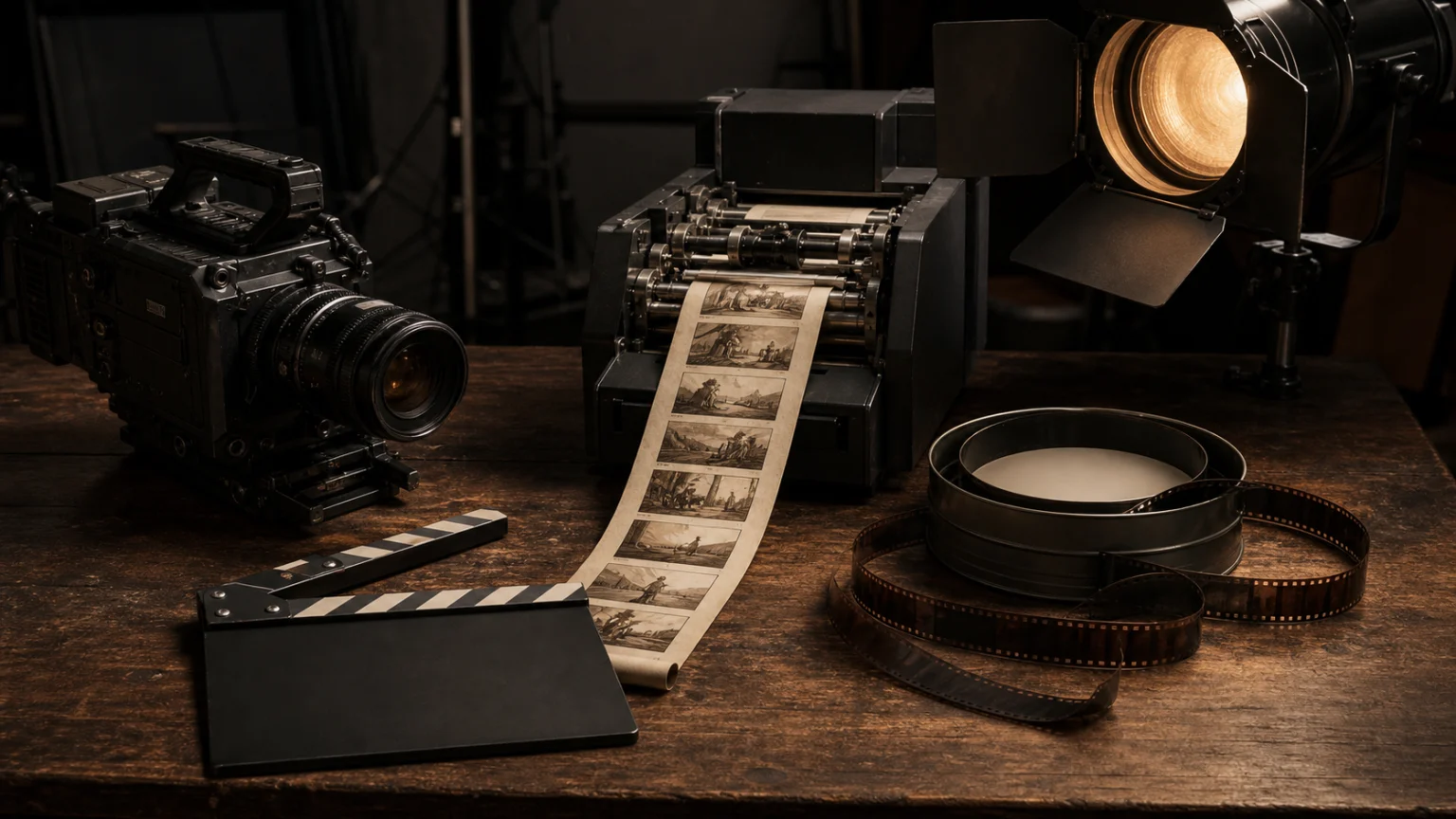
On July 16, 2026, Netflix told shareholders that generative-AI workflows had been used in roughly 300 titles so far this year. It is a striking figure, but it needs careful reading: Netflix is not saying that it made 300 films or series entirely with AI. It is describing tools used in specific parts of the creative process, with the largest concentration of work in post-production, according to the company.
The disclosure appeared in Netflix’s second-quarter shareholder letter and was later expanded on by co-CEO Ted Sarandos during the company’s analyst interview. Together, the two documents offer a more specific picture of how Netflix sees the technology in film and television: a layer of work that can appear from concept and previsualization through visual effects, sequence preparation, shot planning, post-production and final delivery.
What Netflix means by 300 titles
The key phrase in the shareholder letter is “workflows.” A title may use generative AI for a limited task, such as preparing a visual reference, testing a sequence or digitally extending a crowd. The number therefore does not establish that every image, script or performance in those 300 works was generated by a model. Nor does it identify which tool was used on each title or what exact part of every production received assistance.
Netflix does name three examples: the Indian production Glory, Brazil’s Brasil 70: A Saga do Tri, and the US documentary series The American Experiment. In its letter, the company points to enhanced crowds, historical battle sequences and world-building establishing shots as examples of highly complex work where the tools were used.
That wording matters because it places the announcement in assisted audiovisual production, rather than an automatic replacement for filming or creative teams. Sarandos said that creators still need great artists and that AI can give them better tools to bring a vision to the screen. That is Netflix’s position; it is not, by itself, an independent measurement of quality, authorship or working conditions resulting from adoption.
The example with a specific number
The comparison of “twice as fast and at half the cost” does not describe all 300 titles either. Sarandos tied it to 17 minutes of AI-enhanced footage in The American Experiment. On July 16, he said that material enabled the documentary series to broaden its scope in ways that would not have been feasible with previous options.
That distinction is central to reading the headline. Netflix has provided one quantified case, not a promise to halve the budget of its entire programming slate. Its shareholder letter says the technology can deliver higher-quality output faster and at lower cost than traditional methods, and that some shots or sequences would have been omitted without these tools. Those are corporate claims about its experience; the document does not disclose a total saving or a production-by-production comparison.
A technology moving toward visible production tasks
Netflix has used machine learning for recommendations and title discovery for years. What is new in this disclosure is the placement of generative AI inside the production chain itself, linked to concrete image and effects work. Even so, the official description leaves important questions open: what criteria guide each use, how audiences are told when a sequence has been AI-enhanced, and what these workflows will mean for audiovisual professions.
For now, the verifiable picture is narrower: Netflix says it used these workflows in roughly 300 titles in 2026, chiefly in post-production, and has provided a 17-minute example for which it claims time and cost improvements. The number signals broad adoption, but it does not erase the difference between a tool integrated into one stage of work and a film or series created by AI from start to finish.
How to read an adoption figure without inflating it
The counted unit is the first filter. A “title” is not a shot, minute, model or worker. A title with one visual reference and another with a completed sequence occupy the same place in the total. The letter filed with the SEC describes the concentration in post-production and gives examples, but it does not break the number down by stage, volume or provider. The figure demonstrates breadth; it does not measure intensity.
The second filter is the denominator. To learn what share of the catalogue or annual production the use represents, readers would need to know how many titles entered the counted universe and which rule turns an experiment into a “workflow used.” Without that base, roughly 300 does not show that most Netflix work uses generative AI. It does show that the practice is no longer an isolated pilot.
The third filter is the comparison. “Twice as fast and at half the cost” requires a baseline: which previous option was budgeted, what work it included, at what quality and who performed the review. In the interview transcript, Sarandos confines the comparison to the 17 minutes in one case and refers to “previous options.” He does not provide the amount, labour hours or an independent audit. It is a verifiable executive statement, not a general productivity study.
The missing card for evaluating each workflow
A production could document the purpose, input material, tool and version, people who decided to use it, type of transformation, rights covering training and references, reviews performed and disposition of the files. Such a card lets separate questions remain separate: visual quality, performer and creator rights, security of unreleased material, professional credit and cost.
It would also show where creative decisions occurred. Generating options, choosing one, correcting it and integrating it are not the same job. Saying that a sequence was “AI-enhanced” does not identify who set the objective, rejected outputs, fixed errors or approved the shot. Technology belongs in the process description, but attribution should preserve the human chain rather than erase it.
The transferable skill is to ask for the unit, denominator, comparison and scope whenever a company reports AI adoption. With those four questions, “300 titles” stops suggesting 300 automatic works and becomes what the source supports: a broad but still aggregated signal of tools used in parts of productions.
Audience transparency can be graduated without revealing production secrets. A work can disclose that generative tools were used, describe categories of use and retain a more detailed record for audits, contracts or disputes. Not every visual reference needs an intrusive label, but an aggregate investor figure should not be the only window either. A stable vocabulary—previsualisation, element generation, modification, compositing and restoration—would support comparison across works and stop “AI” from blending very different interventions. The same record can help credits and rights discussions by showing which source material, decisions and reviews belonged to people.
Sources for this piece
This piece draws on 3 primary source(s), gathered during reporting.
This article was produced with artificial intelligence under human editorial oversight.