TikTok tests an AI likeness alert: detection is not a decision
TikTok is testing an opt-in tool with some US creators to find possible AI-generated likenesses and report them. Its value will depend on accuracy, consent and a clear review process.
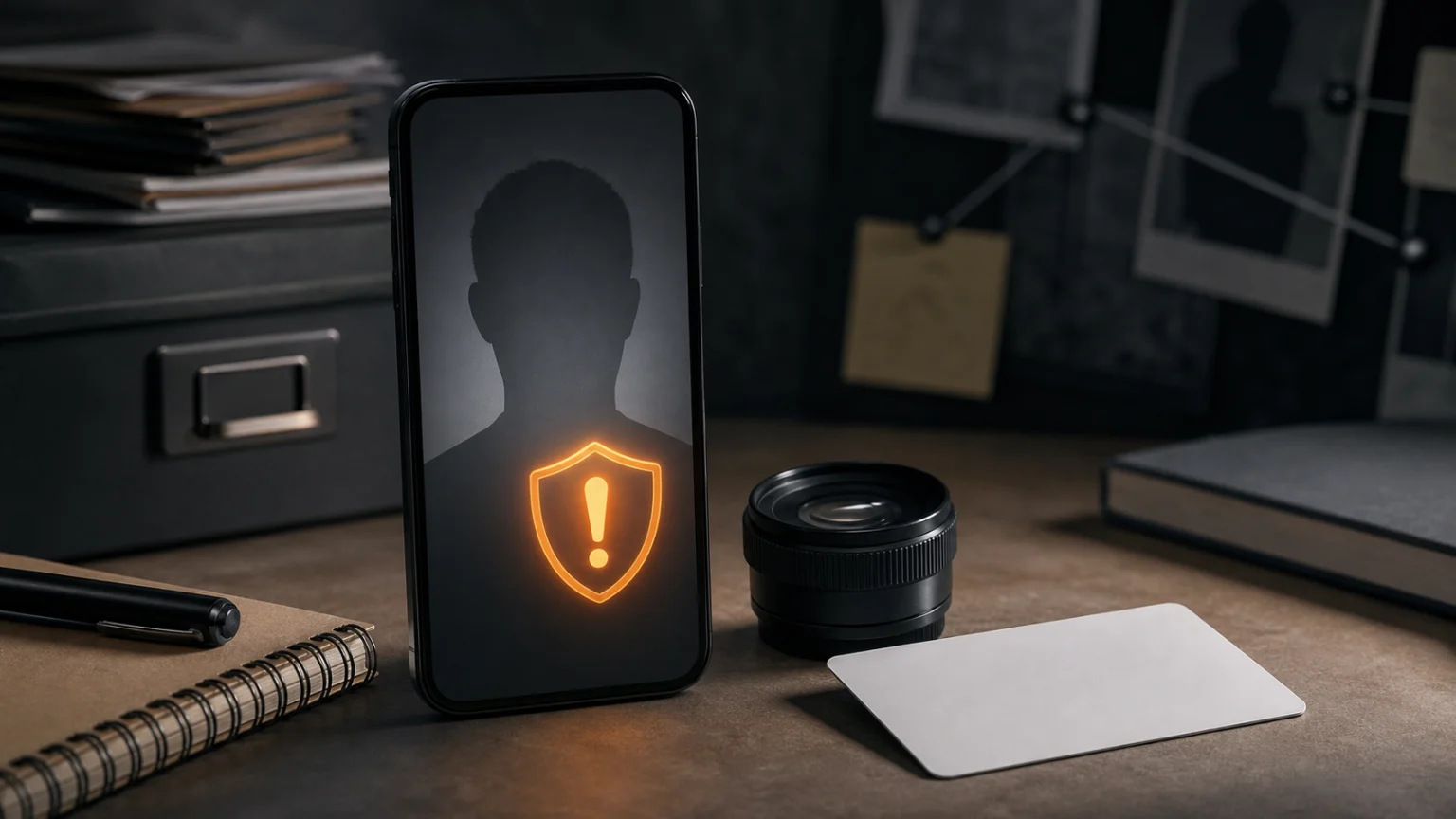
An image, a voice or a set of gestures can be enough to make a person recognisable. When those signals are recreated with artificial intelligence, the question is no longer only whether a video is synthetic. It also matters who appears in it, whether they consented and what happens when the platform receives a report. On July 22, 2026, it remained a limited test rather than a general protection available to every user.
TikTok is testing an opt-in tool with some creators in the United States to find possible AI-generated likenesses and report them to the company, according to The Verge, which attributes confirmation of the test to TikTok US spokesperson Zachary Kizer. There is not yet a detailed public announcement covering the technology, the number of participants, the formats it examines or its accuracy rates. That lack of detail means this should be described as a test, not as a protection already available across the platform.
Even so, the initiative fits a growing issue for social networks. Labelling systems can signal that something was created or edited with AI, but they do not by themselves address the non-consensual use of a person’s identity.
What is being tested
That makes the tool, if it works as described, different from a simple AI-content notice. A label answers whether media was generated or significantly edited by AI. A likeness alert tries to answer another question: whether the media may represent an identifiable person. Both signals can be useful, but neither one decides on its own whether content violates the rules or whether consent exists.
Nor should “detection” be read as a promise to find every use. The tool could return relevant matches, miss material or flag content that does not ultimately depict the person. In a responsible test, a result should start a review, not become an automatic verdict or a removal without context.
The rules already in place
The detection test could help people find potentially problematic content that features them sooner. But finding is not the same as resolving. The platform will need to explain what information it receives with a report, how it checks a match, how long decisions take and what paths exist when a decision is wrong.
Labels, provenance and search
TikTok has been building other layers for AI-content transparency. On July 10, it said it had labelled more than three billion videos as AIGC using a combination of Content Credentials, creator labelling tools and invisible watermarking. It also announced detection tests for accounts devoted to AI-generated spam and said it had joined C2PA’s Steering Committee.
C2PA Content Credentials record provenance information when content retains that metadata. They can be useful for understanding a file’s history, but they do not replace likeness search. A video may lack readable metadata, and a file with provenance does not necessarily answer whether someone’s identity was used with permission.
The three layers therefore complement one another. Labelling informs; provenance adds technical context; likeness detection can make it easier for a person to discover uses worth reviewing. The final response requires clear policies and human judgement.
TikTok’s new test should be judged by results, not by the name of the feature. It would be reasonable for the company to publish the scope of the test, the kinds of matches it seeks, how it measures errors and how it protects creators from mistaken reports. In an environment where images and voices can be synthesised easily, giving people a way to find possible imitations is useful. Turning an algorithmic match into a fair decision is the harder part.
The hidden cost of searching for a face
A likeness tool first needs a reliable reference for the person seeking protection. In the trial described by The Verge, participants verify their identity through Jumio with an ID and a live scan. That step limits fraudulent claims, but it creates another sensitive decision: who keeps the document, what biometric representation is produced, how long it is retained and which later uses are permitted.
The spokesperson says TikTok does not retain ID documents and that facial information is used to match likenesses and identify possible unauthorised uses. That statement clarifies one part of the process, but the public material does not yet provide a retention period for the facial representation, a recipient list, accuracy results or an audit. Consent to search for impersonations should not become open-ended permission to reuse an identity.
Four layers that should not be confused
Provenance answers which tool signed or modified a file when the chain survives. A label tells the audience that generation or editing occurred. Biometric matching looks for a person. Moderation decides whether the context breaks a rule. Correctly labelled content may still use an identity without permission; content may also resemble someone by coincidence without being an impersonation. No layer replaces the others.
A meaningful trial should publish two families of measures: recall, showing how much relevant material goes undetected, and precision, showing how many alerts are wrong matches. Results should be broken down by video quality, angle, lighting, editing, skin tone and different ways of synthesising a face. A removal also needs notice and an appeal for the uploader, while the represented person needs a rapid path when harm is urgent.
The transferable skill is to separate detection, consent and decision. When a service promises to protect a likeness, ask what biometric data is submitted, who retains it, which errors are measured and which person reviews the report. Finding a possible match may open a door; fair protection depends on the whole process that follows.
Coverage matters too. Protection restricted to invited creators excludes private individuals who may have fewer resources to discover an impersonation. Expansion requires deciding how to verify identity without turning every report into disproportionate data collection. Different routes can coexist: proactive search for people who enrol, an ordinary report for someone who finds a case, and accelerated channels for severe harm. Publishing response times, outcomes and appeals would show whether the tool reduces harm or merely transfers monitoring work to people who must constantly watch their own image. It would also reveal whether access, accuracy or enforcement differs between highly visible accounts and everyone else.
What can be supported without the policy page
The real TikTok Newsroom announcement, dated July 10, 2026, does not introduce the likeness trial. It does document the surrounding context: new tests targeting accounts dedicated to AI-generated spam, TikTok joining the C2PA Steering Committee and more than three billion videos labelled as AIGC. Those facts remain because the page states them explicitly.
Trial-specific details—opt-in participation, searches for possible likenesses, Jumio identity verification and the spokesperson’s statements—remain attributed to The Verge. The reviewed open sources contain no TikTok announcement describing that mechanism. Separating the two sources prevents a general transparency and spam release from being used as evidence for a tool it never mentions.
The regulatory definition of likeness, the specific labelling requirement and the catalogue of prohibited or permitted uses have been removed because those claims depended solely on an official policy page that our link gate refuses to accept. The site is live; the obstacle is a defect in our validator. Until the source can be restored, losing those details is more rigorous than leaving unsupported claims.
Sources for this piece
This piece draws on 4 primary source(s), gathered during reporting.
This article was produced with artificial intelligence under human editorial oversight.